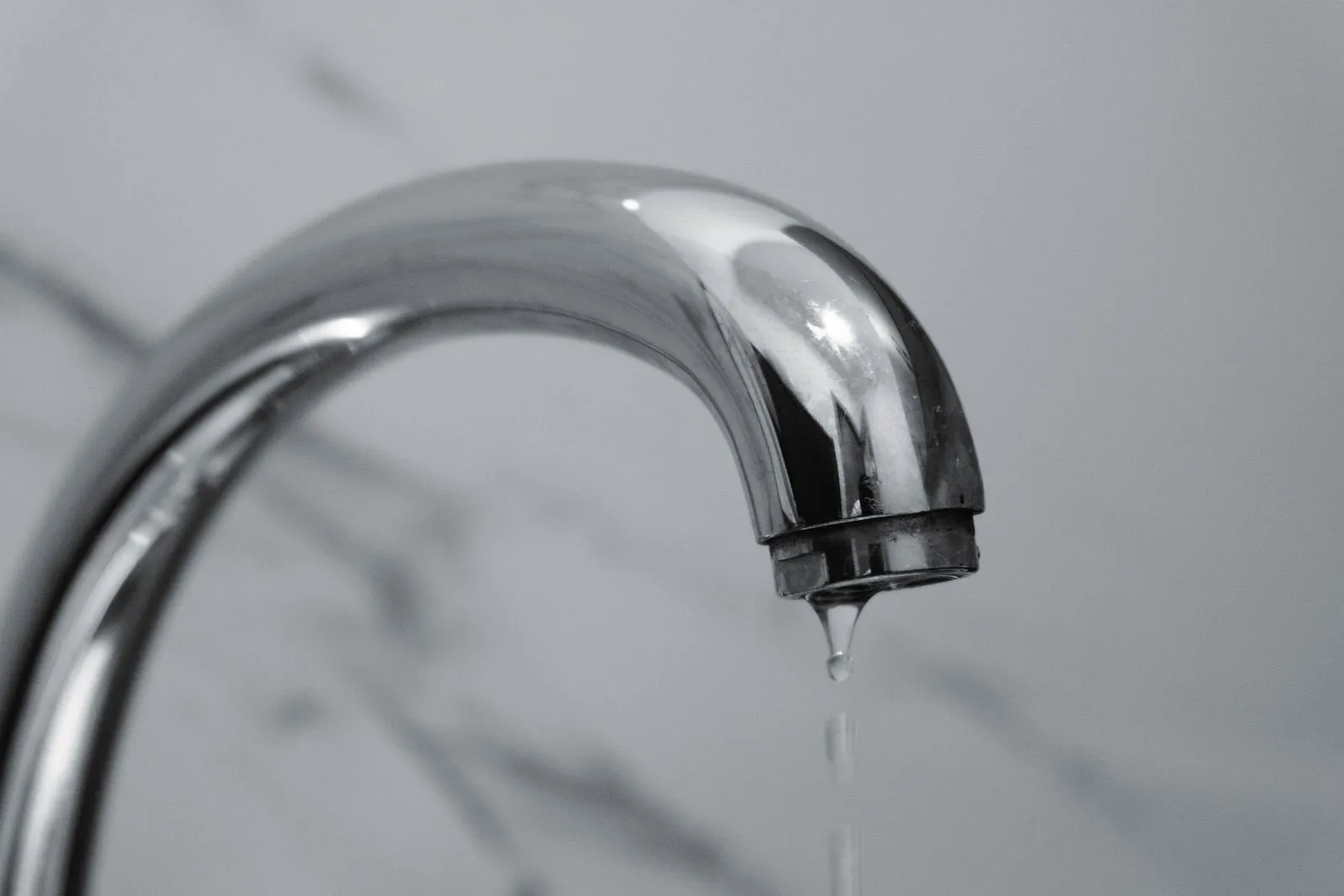
A dripping tap can be annoying, but the leak’s location often points to what needs attention. Water may escape from the spout, the handle, or the base, and each clue helps narrow down the cause. You can take a few safe steps to limit the mess and check simple issues before calling a plumber. Avoid forcing parts or dismantling a tap you’re unsure about—some repairs need the right tools and replacement components.
Locate the Leak
Dry the tap and surrounding bench or basin with a towel, then turn the water on briefly. Watch where moisture first appears. A drip from the spout may continue after you shut the tap; water around a handle or tap base can point to a worn seal, loose connection, or another fault.
Check beneath the sink as well. Use a torch to inspect the pipes, flexible hoses, and shutoff valves while the tap runs and after you turn it off. If you find water in the cabinet, move stored items away and dry the area so you can tell whether the leak is continuing.
Limit the Drip Safely
Make sure the tap is fully closed, but don’t force the handle. Excess pressure can damage internal parts or make a small problem worse. If the leak is coming from underneath the sink, place a container or towel below it to catch water while you arrange a repair.
If water is flowing steadily or you cannot control the leak at the tap, turn off the relevant shutoff valve beneath the sink by turning it gently clockwise. If there is no accessible valve, or it does not stop the water, use the home’s main water shutoff if you know where it is. Don’t use a valve that feels stuck; call a plumber instead.
Try Basic Checks
If the tap only drips briefly after use, wipe the spout and check again after a short wait. A continuing drip is more likely to need repair. Also check whether the handle feels loose or the tap moves at its base, but avoid tightening parts unless you can do so without force and know which fitting needs attention.
For a simple aerator blockage, you may be able to unscrew the small screen at the spout by hand, rinse away debris, and refit it. Protect the finish with a soft cloth and stop if the part will not turn easily. Don’t dismantle the tap or replace internal components unless you can identify the tap type and have the correct parts.
Know When to Call a Plumber
Arrange professional help if the drip continues, water leaks from the handle or tap base, or you find moisture under the sink. A plumber can identify worn washers, cartridges, seals, or connections and fit parts suited to the tap. Call promptly if water is spreading, the leak is difficult to isolate, or nearby cupboards and flooring are getting wet.
Repeated leaks, corroded fittings, stiff shutoff valves, or a tap that becomes loose again after a basic check also need a closer look. Take a photo of the leak and note when it happens; those details can help explain the problem when you contact a plumber.
A careful inspection can help you pinpoint a leaking tap and keep water contained, but persistent or hidden leaks deserve professional attention. Don’t force handles, fittings, or shutoff valves. If you’re in Sydney and the leak won’t settle, Pipe Parade can help you work out the next step.